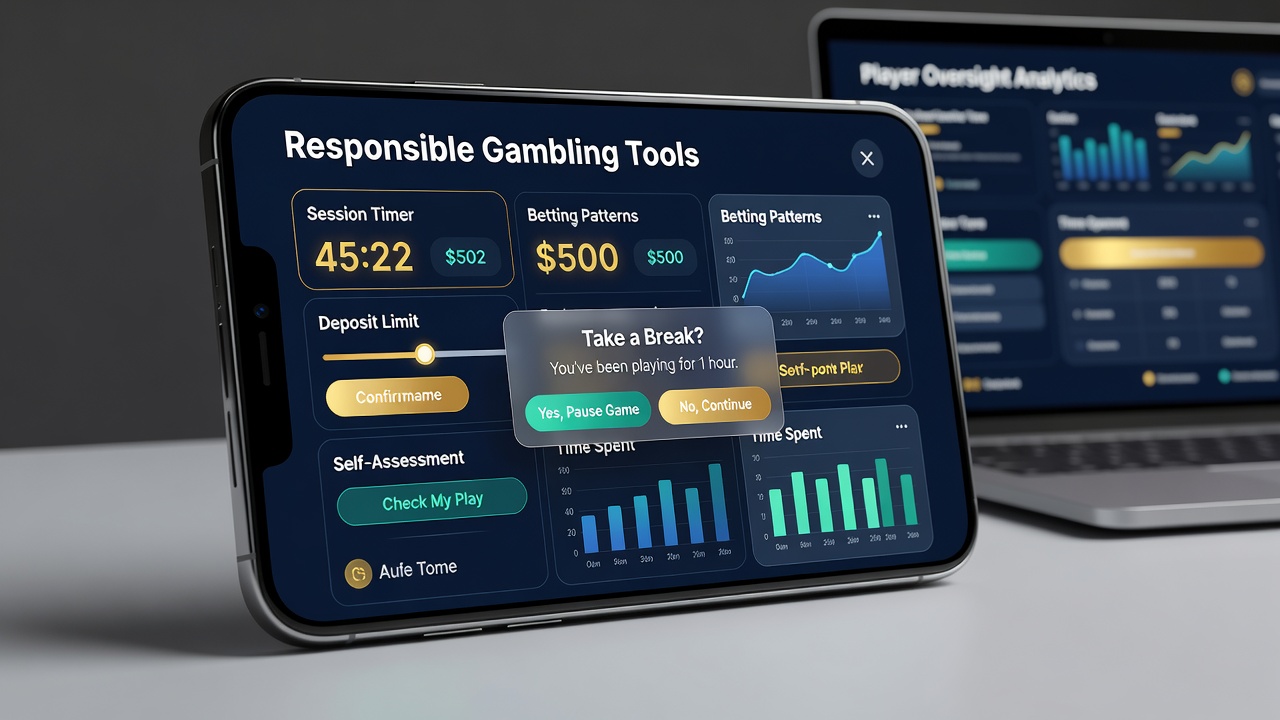
Integrating Responsible Gambling Tools into Mobile Casino Interfaces for Enhanced Player Oversight
Developers have incorporated responsible gambling tools into mobile casino interfaces to give players direct control over their activity, and these features include deposit limits, session reminders, and self-exclusion options that operate within the app itself. Data from industry reports shows that integration often occurs through user account settings, where players can set personal thresholds that the system enforces automatically across devices.
Core Tools and Their Mobile Implementation
Deposit limit tools allow users to cap daily, weekly, or monthly spending, and mobile platforms typically present these as adjustable sliders or input fields that update in real time. Session time trackers display elapsed play duration and prompt breaks after preset intervals, while reality check messages interrupt gameplay with summaries of wins, losses, and time spent. Self-exclusion functions let players block access for defined periods, and the mobile backend syncs these restrictions with operator databases to prevent circumvention through multiple accounts.
Researchers at academic institutions have documented how these tools function within native apps and web-based mobile sites, and integration often relies on API connections between the user interface and backend compliance systems. In August 2026 several operators updated their platforms to include biometric confirmation for limit changes, which added another layer of verification before adjustments took effect.
Regulatory Requirements Across Regions
Government agencies in different jurisdictions mandate specific tool availability, and the Nevada Gaming Control Board requires licensed mobile operators to provide deposit limits and self-exclusion mechanisms that players can activate without contacting support. Canadian provincial regulators similarly require time and spending controls that appear prominently in account menus rather than buried in subpages. Observers note that these rules aim to standardize player oversight features so they remain accessible regardless of device or operating system.
Industry associations have compiled implementation guidelines that cover user interface placement, notification frequency, and data logging standards, and these documents emphasize that tools must function consistently when users switch between Wi-Fi and mobile data connections. Figures from regulatory filings reveal that compliance audits increasingly examine whether mobile interfaces display tool options during account creation and at regular intervals thereafter.
Technical Integration Methods
Development teams embed responsible gambling features through modular code components that connect to player databases, and this approach allows updates without full app resubmission in many cases. Push notifications deliver session summaries or limit warnings, while in-app pop-ups handle reality checks without requiring users to leave the game screen. Backend algorithms monitor activity patterns and can trigger additional prompts when predefined thresholds approach, although the specific detection criteria vary by operator.
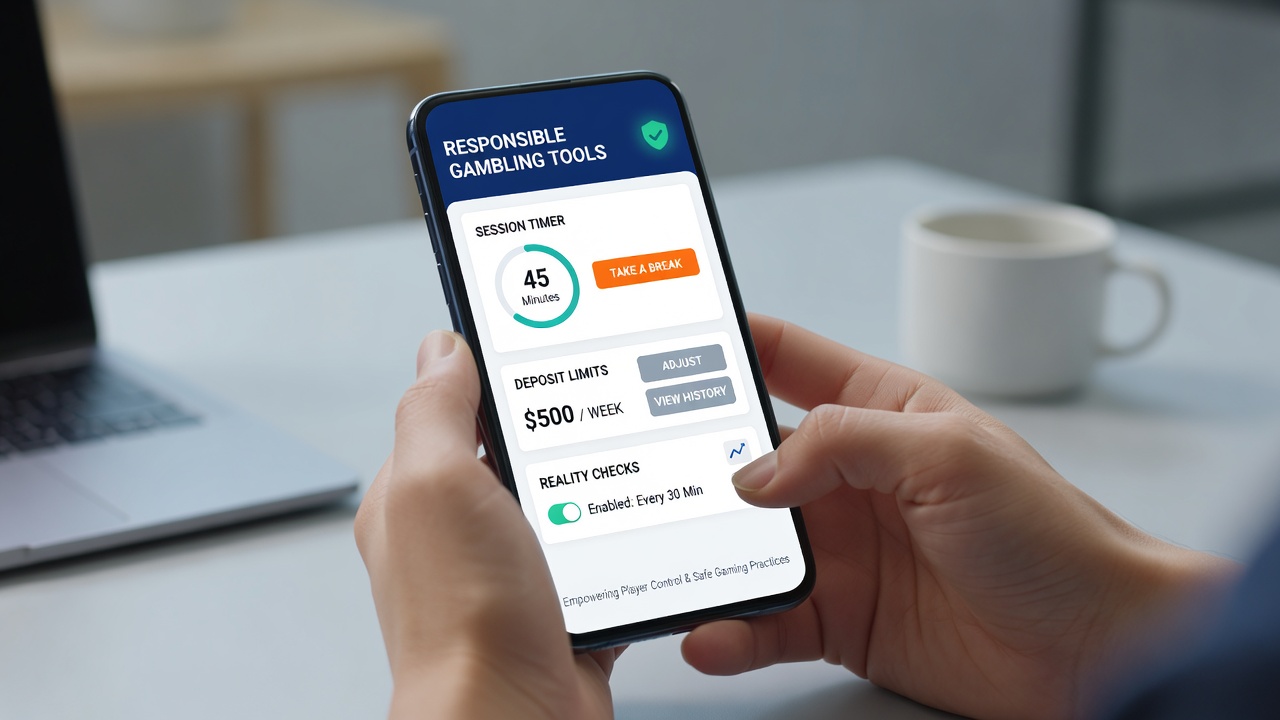
Security protocols protect the stored preference data through encryption, and synchronization across devices occurs via secure cloud services that log every change with timestamps. According to findings published by the National Council on Problem Gambling, operators that integrated these tools early reported measurable reductions in customer service requests related to account restrictions.
User Interaction Patterns and Data Tracking
Analytics platforms record how frequently players adjust their limits or activate exclusion periods, and aggregated statistics help operators refine interface design. Studies from research centers indicate that mobile users tend to engage with tools more often when settings appear on the main account dashboard rather than in separate menus. The same data sets show that reminder notifications achieve higher response rates when delivered through the app rather than email alone.
Operators maintain detailed logs of tool usage for regulatory review, and these records include timestamps, device identifiers, and the specific actions taken by each account. In several jurisdictions, authorities require annual summaries that detail tool adoption rates without disclosing individual player information.
Future Developments in Oversight Features
Developers continue to test machine learning models that predict when players might benefit from additional prompts, and these systems analyze historical patterns while respecting privacy regulations. Integration with wearable devices has appeared in pilot programs, where heart rate or activity data could influence session recommendations, although widespread adoption remains limited as of mid-2026. Cross-platform compatibility improvements have allowed tools to function identically whether users access games through dedicated apps or browser sessions on mobile devices.
Conclusion
Mobile casino operators have standardized responsible gambling tools as core interface elements that support player oversight across multiple regulatory environments. Technical implementations continue to evolve with new verification methods and notification systems, while data collection practices provide operators and regulators with measurable indicators of tool effectiveness. These developments reflect ongoing coordination between technology providers, gaming authorities, and research organizations focused on gambling behavior tracking.